
I Compared Three Popular Gentle Alternatives to Retinol
Here’s What I Found
June 20, 2026
My Clean Beauty Bottom Line
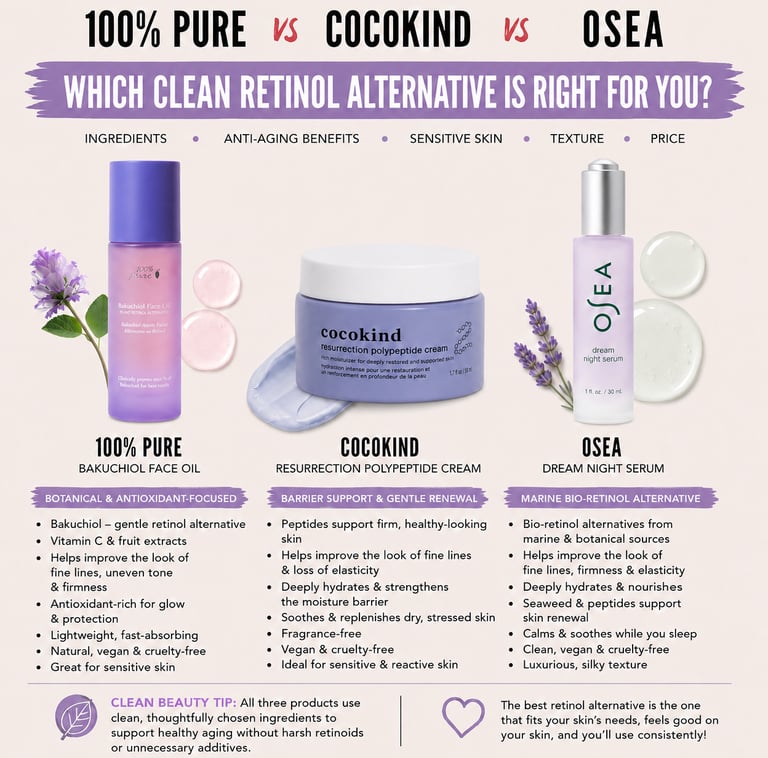
After comparing all three retinol alternatives, one thing became clear to me: they all support healthier-looking skin, but they do it in very different ways.
The best choice depends on your skin type, your sensitivity to traditional retinol, and whether you're looking for a nourishing facial oil, a lightweight treatment serum, or a barrier-supporting moisturizer.
Choose 100% PURE Bakuchiol Face Oil if you want...
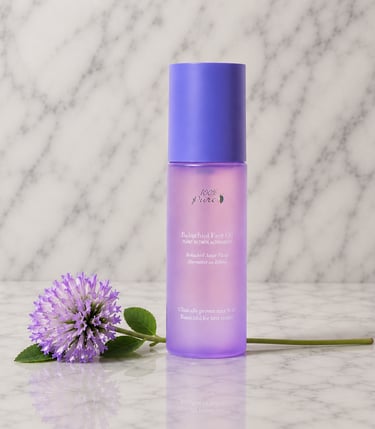
A true plant-based retinol alternative centered around bakuchiol
Anti-aging benefits combined with deeply nourishing facial oils
Ingredients like bakuchiol, jojoba oil, sunflower seed oil, olive squalane, and vitamin E
A formula that helps support smoother-looking skin and improved radiance
Strong antioxidant support alongside healthy-aging benefits
A luxurious facial oil that's especially appealing for dry or mature skin
The most traditional bakuchiol-focused retinol alternative of the three
Skip it if: You have very oily skin, dislike facial oils, or prefer a lightweight serum or cream texture.
Choose OSEA Dream Night Serum if you want...
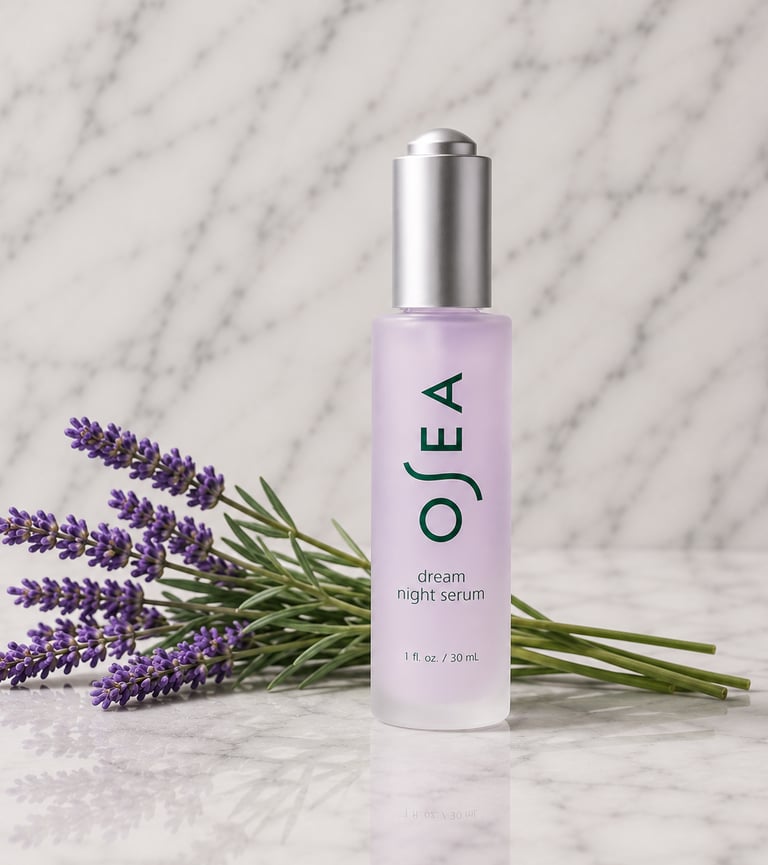
A plant-based bio-retinol alternative combined with peptides and marine ingredients
A lightweight overnight serum that absorbs quickly
Hydration, firmness, and skin-renewal support in one formula
Ingredients like Bidens pilosa (bio-retinol), red seaweed, peptides, and hydrolyzed hyaluronic acid
A product designed to improve the appearance of fine lines, texture, and elasticity
A luxurious clean skincare experience with a silky serum texture
A balanced approach to healthy aging without traditional retinol
Skip it if: You're looking for the most budget-friendly option or prefer a richer cream texture.
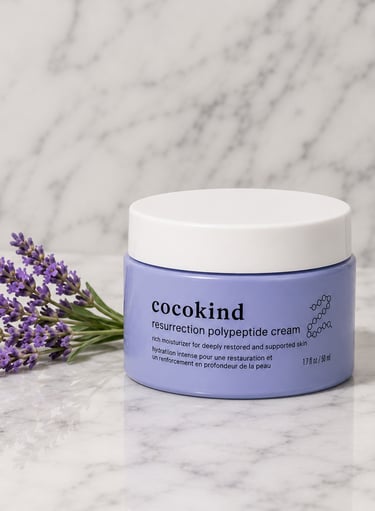
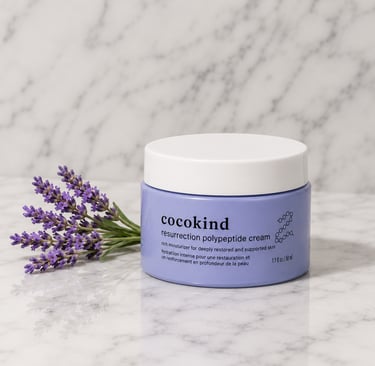
Choose Cocokind Resurrection Polypeptide Cream if you want...
A peptide-focused moisturizer that supports healthy aging without retinoids
Strong barrier repair alongside lasting hydration
Ingredients like a polypeptide complex, resurrection plant extract, squalane, ceramides, and beta glucan
A fragrance-free formula that's especially appealing for sensitive or reactive skin
Deep nourishment while helping improve the appearance of firmness and fine lines
A treatment moisturizer designed to strengthen stressed or compromised skin
A thoughtful balance of barrier support, hydration, and affordability
Skip it if: You want a dedicated retinol alternative ingredient like bakuchiol or bio-retinol, or you're primarily targeting advanced signs of aging.
My Final Thoughts
If I had to describe each retinol alternative in one sentence, here's how I'd sum them up:
100% PURE is the nourishing bakuchiol facial oil, making it an excellent choice for those who want a traditional plant-based retinol alternative in a deeply moisturizing formula.
OSEA is the lightweight marine-inspired treatment serum, combining bio-retinol, peptides, and hydration to support multiple visible signs of aging.
Cocokind is the barrier-first moisturizer, helping strengthen and nourish the skin while supporting healthy aging through peptides and barrier-supporting ingredients.
The good news is that all three avoid many of the ingredients clean skincare shoppers commonly look to skip while offering gentler alternatives to traditional retinol. There isn't a single "best" choice—it's simply a matter of deciding which approach best fits your skin type, your comfort level with active ingredients, and your long-term skincare goals.
Disclosure: This page contains affiliate links. As an Amazon Associate and affiliate partner of other brands, I may earn a small commission if you make a purchase through my links, at no additional cost to you. I only recommend products that meet my research criteria and that I believe are worth considering.
Looking for a Gentle Alternative to Retinol but Overwhelmed by All the Options?
Retinol has long been considered one of the gold-standard ingredients for improving the appearance of fine lines, wrinkles, uneven skin tone, and loss of firmness. But while it works well for many people, it's not the right fit for everyone.
Many people experience redness, peeling, dryness, irritation, or increased skin sensitivity when using retinol. Others choose to avoid it during pregnancy or while breastfeeding, while some simply prefer a gentler, plant-based approach to healthy aging.
The good news is that retinol isn't your only option.
Today, many clean skincare brands use ingredients like bakuchiol, bio-retinol, peptides, and barrier-supporting botanicals to help support smoother, firmer, healthier-looking skin—often without many of the common side effects associated with traditional retinol.
As I researched these products, one thing became clear: not all "retinol alternatives" work the same way.
Some rely on bakuchiol, a plant-derived ingredient often compared to retinol. Others use bio-retinol ingredients that help improve the appearance of aging skin without traditional retinoids. And some focus on peptides and strengthening the skin barrier, helping skin look healthier and more resilient over time.
That's why I chose to compare these three products. Although they all offer a gentler alternative to traditional retinol, each one takes a different approach to supporting healthy aging.
I've broken down what I found—including the ingredients, benefits, potential drawbacks, and who I think each product is best suited for—to help make your decision a little easier.
But first, let's look at why so many people start searching for gentler alternatives to retinol in the first place.
Why Doesn't Everyone Use Retinol?
Retinol can be an incredibly effective skincare ingredient, but it isn't always well tolerated by every skin type. While many people achieve excellent results with it, others find that the side effects outweigh the benefits.
1. Irritation & Redness
What it is: Retinol increases skin cell turnover.
Why some people look for alternatives: While this can improve skin texture and reduce visible signs of aging, it can also cause redness, peeling, burning, and irritation—especially when first introduced.
2. Dryness & Flaking
What it is: Retinol can temporarily disrupt the skin barrier while skin adjusts.
Why some people look for alternatives: Many users experience dryness, tightness, or flaky skin during the adjustment period, particularly in the first few weeks.
3. Increased Sun Sensitivity
What it is: Retinol can make skin more susceptible to UV damage.
Why some people look for alternatives: Daily sunscreen becomes especially important, and some people prefer ingredients that don't increase photosensitivity to the same degree.
4. Pregnancy & Breastfeeding Concerns
What it is: Retinoids are vitamin A derivatives.
Why some people look for alternatives: Many healthcare providers recommend avoiding retinoids during pregnancy and breastfeeding out of an abundance of caution. If you're pregnant, breastfeeding, or planning to become pregnant, it's always best to discuss skincare ingredients with your healthcare provider before introducing new products into your routine.
5. Sensitive or Reactive Skin
What it is: Retinol is a potent active ingredient.
Why some people look for alternatives: Those with eczema, rosacea, or highly reactive skin may find traditional retinol difficult to tolerate.
6. Requires a Slow Introduction
What it is: Retinol often requires a gradual adjustment period.
Why some people look for alternatives: Some people prefer ingredients that can be incorporated into a daily routine without slowly building tolerance over several weeks.
What Are Gentle Alternatives to Retinol?
Gentle alternatives to retinol are ingredients that help support smoother-looking skin, improve the appearance of fine lines and firmness, and promote healthier-looking skin—without using traditional retinoids.
Rather than working exactly like retinol, these ingredients support healthy aging through different mechanisms, allowing you to choose the approach that best fits your skin's needs.
1. Bakuchiol
What it is: A plant-derived ingredient extracted from the babchi plant.
Why people love it: Bakuchiol has been shown to help improve the appearance of fine lines, wrinkles, uneven skin tone, and skin texture while generally being gentler than traditional retinol.
2. Bio-Retinol
What it is: Plant-derived ingredients, such as Bidens pilosa, that help mimic some of the visible benefits associated with retinol.
Why people love it: They may help improve the appearance of firmness, texture, and fine lines without many of the irritation concerns associated with traditional retinoids.
3. Peptides
What they are: Short chains of amino acids that help support the skin's natural collagen and improve the appearance of firmness.
Why people love them: Rather than increasing skin turnover, peptides help support healthier-looking skin while remaining gentle enough for most skin types.
4. Antioxidant-Rich Botanical Ingredients
Examples: Seaweed, green tea, white tea, watermelon seed oil, and other plant extracts.
Why people love them: These ingredients help defend the skin against environmental stressors that contribute to visible signs of aging while supporting overall skin health.
5. Barrier-Supporting Ingredients
Examples: Ceramides, squalane, beta glucan, panthenol, and other moisturizing ingredients.
Why people love them: A healthy skin barrier helps skin retain moisture, appear smoother and plumper, and better tolerate other active skincare ingredients over time.
My Clean Beauty Bottom Line
Traditional retinol isn't inherently bad—in fact, it's one of the most researched skincare ingredients available. But it isn't the only path to healthier-looking skin.
Whether you're looking for a gentler option because you have sensitive skin, are pregnant or breastfeeding, or simply prefer a clean, plant-based approach to healthy aging, there are excellent alternatives available.
The three products I reviewed all support healthier-looking skin, but they do so in different ways. One focuses on bakuchiol, another on bio-retinol and marine ingredients, and another on peptides and strengthening the skin barrier.
There isn't one product that's right for everyone. The best choice is the one that fits your skin type, your skincare goals, and the approach to healthy aging that feels right for you.
Now, let's take a closer look at each one.
OSEA Dream Night Serum
What I Like About 100% PURE Bakuchiol Face Oil
✔ A Gentle Introduction to Retinol Alternatives
100% PURE Bakuchiol Face Oil was the first retinol alternative I reviewed in this comparison, and what stood out to me immediately was its gentle, nourishing approach to healthy aging.
Instead of relying on traditional retinol—which can sometimes cause dryness, peeling, or irritation—this formula uses bakuchiol while avoiding many ingredients clean skincare shoppers commonly choose to skip, including:
No parabens
No phthalates
No sulfates (SLS/SLES)
No mineral oil
No synthetic fragrance
Cruelty-free
Vegan
For anyone interested in supporting healthier-looking skin without the irritation often associated with retinol, I think this is a great place to start.
✔ A Nourishing Blend of Skin-Loving Oils
One thing I appreciated while reviewing this formula is that it isn't just about bakuchiol.
Some of the ingredients that caught my attention include:
Bakuchiol, a plant-derived ingredient often used as a gentler alternative to retinol.
Jojoba Oil, which helps moisturize the skin while supporting the skin barrier.
Sunflower Seed Oil, rich in essential fatty acids that help nourish and soften the skin.
Olive Squalane, which helps replenish moisture without feeling overly heavy.
Vitamin E (Tocopherol), an antioxidant that helps defend against environmental stressors.
I like formulas that combine an active ingredient with supportive ingredients that help keep the skin comfortable during long-term use.
✔ More Than Just an Anti-Aging Oil
Although bakuchiol is the featured ingredient, this face oil is designed to do much more than target fine lines.
It also helps support smoother texture, improve radiance, replenish moisture, and promote healthier-looking skin over time.
That makes it appealing for anyone whose skin feels dry, dull, or depleted—not just someone concerned about wrinkles.
✔ A Gentle Alternative to Traditional Retinol
One of the biggest reasons I think someone would choose this product is comfort.
Traditional retinol can be extremely effective, but it's not always easy for sensitive skin to tolerate. Bakuchiol offers a gentler approach that many people find easier to incorporate into a nightly skincare routine.
For beginners or those who have struggled with retinol in the past, I think that's a significant advantage.
✔ Especially Nice for Dry or Mature Skin
Because this is a facial oil, it naturally provides more nourishment than a lightweight serum.
The blend of botanical oils helps replenish moisture while supporting healthier-looking skin, making it especially appealing for dry, mature, or dehydrated skin types.
✔ Helps Skin Look Smoother and More Radiant
With consistent use, the formula is designed to improve the appearance of rough texture, dullness, and early visible signs of aging while leaving the complexion looking healthier and more radiant.
Like many skincare products, the improvements happen gradually rather than overnight.
✔ Locks In Moisture Overnight
One thing I like about using a face oil in the evening is that it helps seal in moisture while you sleep.
For people whose skin tends to feel tight or dry by morning, this richer texture can be a real benefit.
Things to Consider
⚠ Botanical Ingredients Can Still Cause Irritation
Like many clean skincare products, this formula contains plant-derived oils and extracts.
While many people enjoy botanical ingredients, they can still trigger irritation or allergic reactions in some individuals. Natural doesn't automatically mean every ingredient works for every skin type.
⚠ Results Take Time
Bakuchiol has encouraging research behind it, but improvements often happen more gradually than with prescription-strength retinoids or stronger retinol products.
For me, this feels like the kind of product that rewards patience and consistency.
⚠ Research Is Still Growing
While bakuchiol continues to gain popularity, it doesn't yet have the same decades of clinical research behind it as traditional retinol.
That doesn't make it ineffective—it simply means the body of research is still developing.
⚠ More Advanced Signs of Aging May Need Additional Treatments
If your primary concern is deep wrinkles, significant sun damage, or advanced loss of firmness, you may eventually want stronger targeted treatments alongside a product like this.
⚠ Premium Price
100% PURE sits within the premium clean skincare category.
You're paying for high-quality botanical ingredients and thoughtful formulation, but it's still more expensive than many conventional skincare products.
⚠ Facial Oils Aren't for Everyone
One thing I noticed while reviewing this product is that the oil texture is really part of its identity.
Personally, I think it's wonderful for dry or mature skin, but if you strongly prefer lightweight serums or have very oily skin, you may enjoy one of the other retinol alternatives in this comparison more.
⚠ Very Oily Skin May Prefer a Lighter Formula
Although many facial oils work well across different skin types, people with very oily skin may prefer a lighter cream or serum texture instead.
⚠ Firming Benefits Require Consistency
Like nearly every skincare product targeting visible signs of aging, meaningful improvements develop over time.
I think this is a product that works best when viewed as part of a long-term skincare routine rather than a quick fix.
My Overall Thoughts
As the first retinol alternative I reviewed, 100% PURE Bakuchiol Face Oil established a strong benchmark for what I look for in a gentle healthy-aging product: nourishing ingredients, thoughtful formulation, and a comfortable alternative to traditional retinol.
What impressed me most is that it doesn't try to imitate prescription retinoids. Instead, it offers a gentler approach that combines bakuchiol with moisturizing botanical oils to support smoother, healthier-looking skin while helping maintain the skin barrier.
If I were recommending 100% PURE Bakuchiol Face Oil, it would be to someone with normal to dry skin who wants a nourishing nighttime treatment and is looking for a gentler alternative to traditional retinol without sacrificing a clean ingredient philosophy.
100% Pure Bakuchiol Face Oil
What I Like About OSEA Dream Night Serum
✔ A More Advanced Take on Retinol Alternatives
After reviewing 100% PURE Bakuchiol Face Oil, one of the first things I noticed about OSEA Dream Night Serum is that it takes a different approach to supporting healthier-looking skin.
While 100% PURE focuses on nourishing botanical oils and bakuchiol, OSEA combines a plant-derived bio-retinol alternative with peptides, marine ingredients, and hydrating actives to create a formula that feels more like an overnight treatment serum.
Like the other clean skincare products I reviewed, it avoids many ingredients clean beauty shoppers commonly choose to skip, including:
No parabens
No phthalates
No sulfates (SLS/SLES)
No mineral oil
No synthetic fragrance
Cruelty-free
Vegan
For someone looking for a clean anti-aging serum that feels lightweight yet packed with active ingredients, I think OSEA immediately stands out.
✔ A Marine-Inspired Bio-Retinol Formula
One thing that really caught my attention while reviewing this serum is how many ingredients work together to support healthier-looking skin.
Some of the standout ingredients include:
Bio-Retinol (Bidens pilosa extract), a plant-derived retinol alternative that helps improve the appearance of fine lines, texture, and firmness.
Red Seaweed, which helps smooth the appearance of skin while supporting a more youthful-looking complexion.
Peptides, which help improve the appearance of firmness and elasticity over time.
Hydrolyzed Hyaluronic Acid, which helps hydrate the skin while softening the appearance of fine lines.
Compared with the simpler ingredient philosophy of 100% PURE, OSEA feels more like a complete healthy-aging treatment built around several complementary ingredients.
✔ More Than Just a Retinol Alternative
Although bio-retinol is the feature ingredient, I appreciate that OSEA designed this serum to address multiple signs of aging at once.
In addition to supporting smoother-looking skin, it's formulated to improve the appearance of firmness, boost radiance, enhance hydration, and promote a healthier-looking complexion over time.
✔ Gentle Enough for Nightly Use
One thing I like about bio-retinol alternatives is that they often provide many of the cosmetic benefits people want from retinol without the same level of irritation.
Compared with traditional retinol, OSEA's formula is designed to be gentle enough for many people who have struggled with dryness, peeling, or redness.
✔ Lightweight Overnight Texture
Unlike the richer oil texture of 100% PURE, OSEA has a silky serum consistency that absorbs quickly into the skin.
If you prefer lightweight serums over facial oils, I think this formula will probably feel more comfortable while still delivering substantial hydration.
✔ Supports Firmer, Healthier-Looking Skin
With consistent use, the combination of bio-retinol, peptides, marine ingredients, and hyaluronic acid is designed to improve the appearance of fine lines, uneven texture, and reduced elasticity.
I like that the formula approaches healthy aging from several different angles rather than relying on one ingredient alone.
✔ Marine Antioxidants Add Something Different
One feature that really separates OSEA from the other retinol alternatives I reviewed is its emphasis on marine ingredients.
The combination of seaweed extracts and botanical antioxidants helps defend against everyday environmental stressors while complementing the serum's healthy-aging benefits.
✔ Especially Appealing for Sensitive Skin
One thing that stood out to me is that OSEA is designed for people who want visible anti-aging benefits but haven't had success with traditional retinol.
If your skin has reacted poorly to stronger retinoids in the past, I think this formula offers a thoughtful alternative.
Things to Consider
⚠ Botanical Ingredients Can Still Cause Irritation
Like many clean skincare products, OSEA includes numerous plant-derived and marine ingredients throughout the formula.
While many people enjoy botanical ingredients, they can still trigger irritation or allergic reactions in some individuals. Natural doesn't automatically mean every ingredient works for every skin type.
⚠ Results Develop Gradually
Like 100% PURE's bakuchiol formula, OSEA's bio-retinol alternative works gradually rather than producing dramatic overnight changes.
I think it's best viewed as a long-term skincare investment rather than a quick fix.
⚠ Research Is Still Growing
Although bio-retinol alternatives continue to show encouraging research, they still don't have the same decades of clinical evidence behind them as prescription retinoids.
That's something I always think is worth keeping in mind when setting expectations.
⚠ More Advanced Aging Concerns May Need Stronger Treatments
If your primary concern is deep wrinkles, significant sun damage, or advanced loss of firmness, you may eventually want to combine this serum with other targeted skincare products.
⚠ Premium Price
OSEA sits firmly within the luxury clean skincare category.
You're paying for premium marine ingredients, peptides, and thoughtful formulation, but it is a noticeable investment compared with many conventional skincare products.
⚠ Extensive Botanical Blend May Not Suit Everyone
While I think the botanical and marine ingredients are one of the product's strengths, people with numerous plant sensitivities may prefer a simpler formula.
⚠ Not Designed to Treat Acne
Although healthier skin barrier function may indirectly support clearer skin, this serum isn't intended to treat acne or congestion.
⚠ Healthy Aging Requires Consistency
Like nearly every skincare product targeting visible signs of aging, the best improvements happen with regular long-term use rather than immediate results.
My Overall Thoughts
After comparing 100% PURE and OSEA, I came away feeling that they serve different skincare routines.
100% PURE impressed me with its nourishing bakuchiol facial oil that feels especially well suited for dry or mature skin. OSEA stood out by taking a more treatment-focused approach, combining bio-retinol, peptides, marine ingredients, and hydration into a lightweight overnight serum that targets multiple visible signs of aging at once.
If I were recommending OSEA Dream Night Serum, it would be to someone who prefers lightweight serums over facial oils and wants a clean, gentle retinol alternative that combines hydration with a more comprehensive healthy-aging formula.
Clean Skincare Bottom Line
What I Like About Cocokind Resurrection Polypeptide Cream
✔ A Skin Barrier-First Approach to Healthy Aging
After reviewing both 100% PURE Bakuchiol Face Oil and OSEA Dream Night Serum, I was interested to see where Cocokind Resurrection Polypeptide Cream would fit. What stood out to me is that it takes a different approach altogether.
While 100% PURE relies on bakuchiol and OSEA uses a plant-based bio-retinol alternative, Cocokind focuses on strengthening the skin barrier with peptides and deeply nourishing ingredients. Rather than encouraging faster skin turnover, it's designed to help skin become healthier, stronger, and more resilient over time.
Like the other products I reviewed, it avoids many ingredients clean skincare shoppers commonly choose to skip, including:
No parabens
No phthalates
No sulfates (SLS/SLES)
No mineral oil
No synthetic fragrance
Cruelty-free
Vegan
For someone who wants to support healthy aging while prioritizing skin barrier health, I think Cocokind offers a unique approach.
✔ A Formula Built Around Skin Resilience
One thing that immediately caught my attention while reviewing this cream is that nearly every key ingredient supports hydration, barrier function, or firmness.
Some of the standout ingredients include:
Polypeptide Complex, which helps support the skin's natural collagen while improving the appearance of firmness and fine lines.
Resurrection Plant Extract, which helps improve hydration and supports the skin's ability to resist dehydration.
Watermelon Seed Oil, naturally rich in antioxidants that help defend against visible signs of aging.
Sugarcane-derived Squalane, which helps strengthen the skin barrier while preventing moisture loss.
Compared with OSEA's marine-based treatment approach and 100% PURE's nourishing facial oil, Cocokind feels more focused on helping the skin function at its healthiest.
✔ More Than Just a Moisturizer
Although this is a rich cream, I like that it does much more than simply moisturize.
It's designed to improve firmness, strengthen the skin barrier, smooth the appearance of fine lines, and support healthier-looking skin with consistent use.
That makes it feel more like a treatment moisturizer than a basic face cream.
✔ A Gentle Alternative for Healthy Aging
One thing I really appreciate about Cocokind's approach is that it doesn't rely on retinoids at all.
Instead, it uses peptides and barrier-supporting ingredients to encourage healthier-looking skin without the dryness, peeling, or irritation that many people experience with traditional retinol products.
For sensitive or reactive skin, I think that's one of its biggest strengths.
✔ Rich, Nourishing Cream Texture
Unlike the lightweight serum texture of OSEA or the facial oil consistency of 100% PURE, Cocokind offers a rich cream that feels especially comforting.
I think people with dry, dehydrated, or compromised skin barriers will appreciate how nourishing it feels without becoming overly greasy.
✔ Helps Skin Feel Stronger Over Time
With regular use, the combination of peptides, squalane, ceramides, and beta glucan is designed to improve the appearance of fine lines while helping the skin feel stronger and more resilient.
I like that the focus isn't only on reducing wrinkles, but also on improving overall skin health.
✔ Excellent Barrier Support
One feature that really separates Cocokind from the other products I reviewed is its emphasis on barrier repair.
The combination of ceramides, beta glucan, and squalane helps replenish moisture while supporting a healthier skin barrier, making it especially appealing for skin that's dry, stressed, or recovering from irritation.
✔ Especially Appealing for Sensitive Skin
Because the formula is fragrance-free and centers around barrier-supporting ingredients, I think it's one of the most approachable options in this comparison for people who have struggled with stronger anti-aging products.
Things to Consider
⚠ Botanical Ingredients Can Still Cause Irritation
Like the other products I reviewed, Cocokind contains plant-derived ingredients.
While many people enjoy botanical ingredients, they can still trigger irritation or allergic reactions in some individuals. Natural doesn't automatically mean every ingredient works for every skin type.
⚠ It Works Differently Than Retinol
One important thing I noticed while researching this product is that peptides don't work the same way retinol does.
If you're specifically looking for increased cell turnover or resurfacing, this formula isn't designed to replace that mechanism.
Instead, it focuses on supporting healthier, stronger skin over time.
⚠ Results Build Gradually
Like OSEA and 100% PURE, this isn't a product that produces dramatic overnight changes.
I think it's best viewed as a long-term investment in healthier-looking skin rather than a quick fix.
⚠ Research on Peptides Continues to Grow
Peptides have encouraging research supporting their use in skincare, but they don't yet have the same extensive body of evidence behind them as traditional retinoids.
That doesn't diminish their value—it simply helps set realistic expectations.
⚠ More Advanced Aging Concerns May Need Additional Treatments
If your primary concern is deep wrinkles, severe sun damage, or significant loss of firmness, you may eventually benefit from combining this cream with additional targeted skincare ingredients.
⚠ Rich Texture May Not Suit Everyone
Personally, I think the nourishing cream texture is one of the product's strengths.
However, if you have very oily skin or strongly prefer lightweight serums, you may enjoy one of the other products in this comparison more.
⚠ Brightening Isn't the Main Focus
Unlike vitamin C or exfoliating acids, this cream isn't primarily designed to correct discoloration.
Its strengths are hydration, barrier support, and promoting healthier-looking skin over time.
⚠ Healthy Aging Requires Consistency
Like nearly every skincare product targeting visible signs of aging, the best improvements happen gradually with consistent long-term use.
My Overall Thoughts
After comparing all three retinol alternatives, I came away feeling that each one takes a distinctly different approach to healthy aging.
100% PURE impressed me with its nourishing bakuchiol facial oil that's especially well suited for dry or mature skin. OSEA stood out by combining a plant-based bio-retinol alternative with peptides and marine ingredients in a lightweight treatment serum. Cocokind found its place by focusing on strengthening the skin barrier through peptides, ceramides, and deeply nourishing ingredients rather than trying to imitate traditional retinol.
If I were recommending Cocokind Resurrection Polypeptide Cream, it would be to someone with sensitive, dry, or compromised skin who wants to support healthy aging by strengthening the skin barrier while keeping their routine gentle and nourishing.